
Coughing, Coughing, Coughing - Pneumonia
This Article is a brief excerpt on how to recognise the signs and symptoms of different types of coughs and when to take action to seek healthcare intervention. There are several different types of Pneumonias and with the onset of the upcoming winter months, its imperative for all of us to keep a keen eye on which types of Pneumonias require antibiotics, antivirals or even hospitalisation.
Coughing can be a simple common cold with a “wet cough” or a “dry cough”, for which there are several cough mixtures available - the best being XXXX or XXXX which you can get over the counter at any pharmacy like XXXX or Dischem or Clicks.
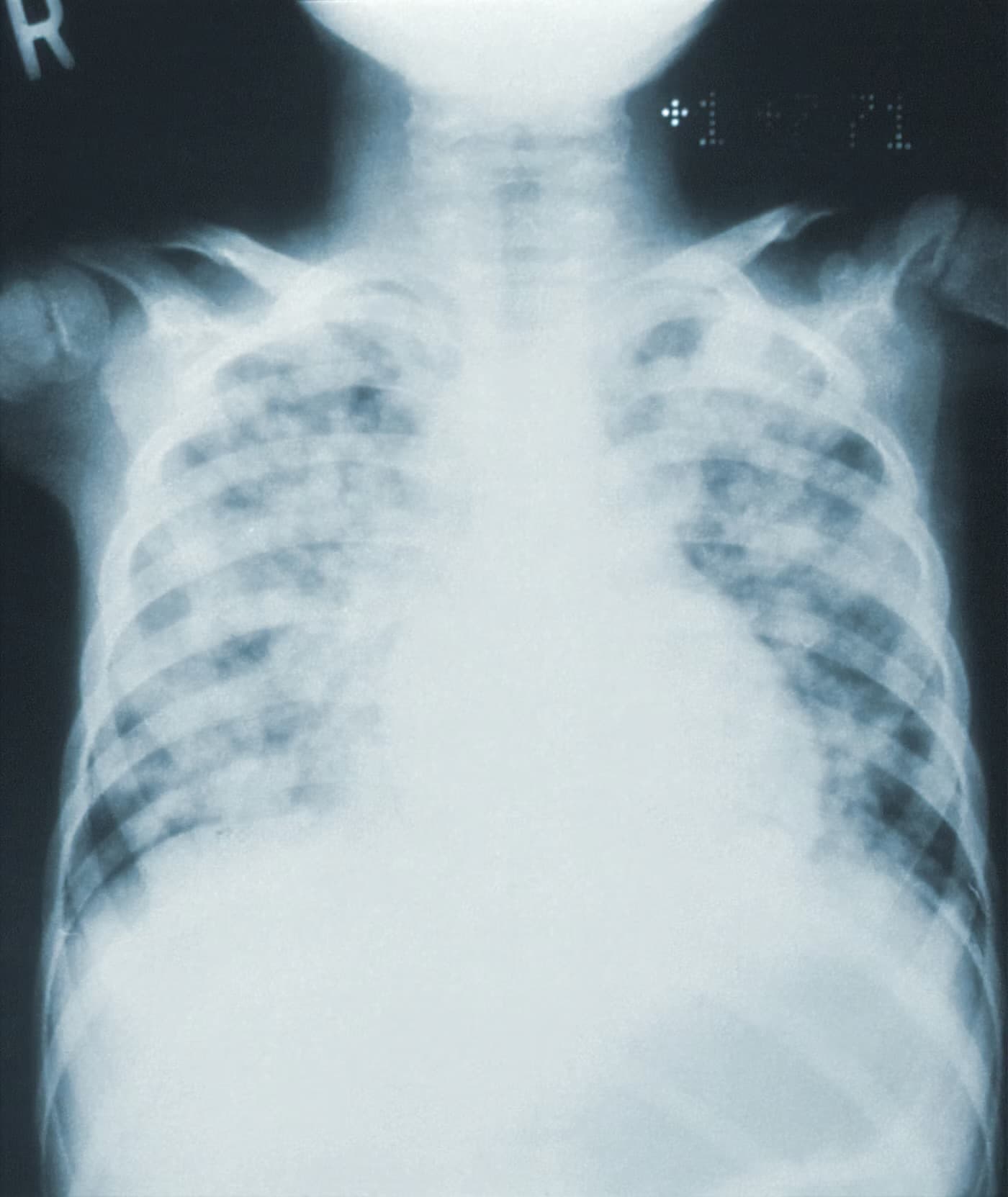
Acute coughing with fever temperature ≥ 37,5% Celsius, chest pain - requires a Chest X-ray.
The diagnosis is most likely Pneumonia. There are 4 Classifications and causes of Pneumonia:
1. Community-acquired Pneumonia.
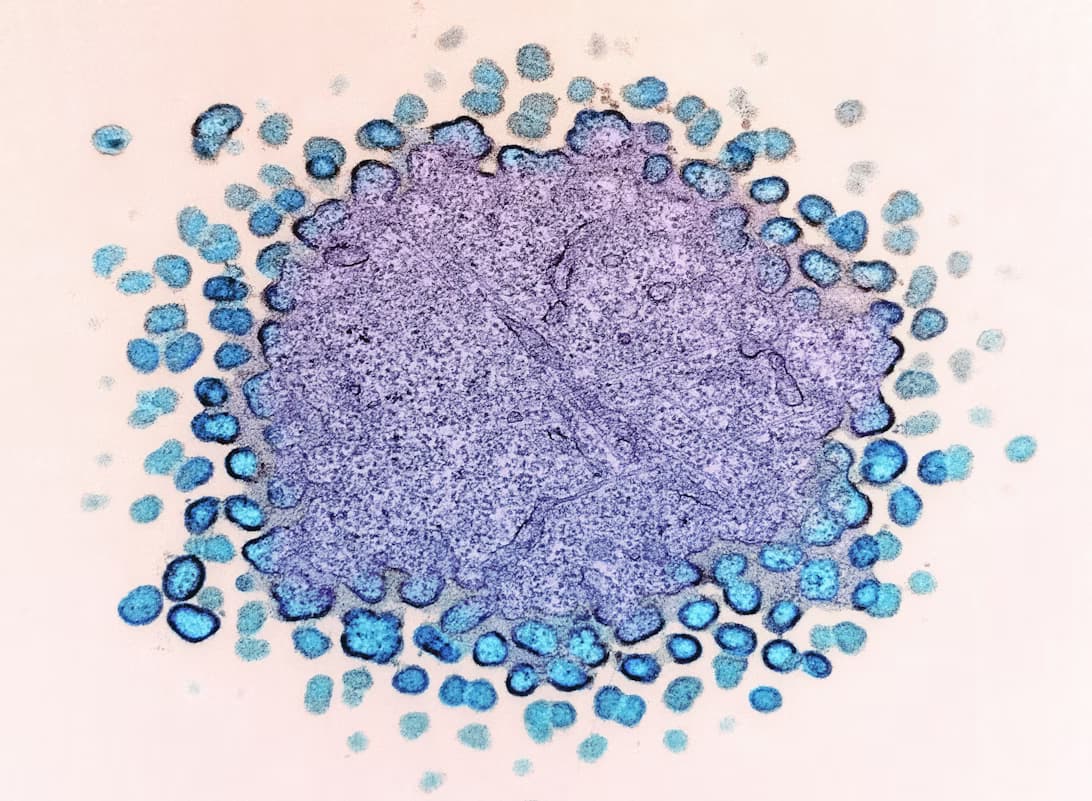
This may be Primary - meaning it was acquired from someone else, while you were healthy or Secondary, if you have an underlying disease. There are at least 6 different bacteria responsible for the onset of Pneumonia and 3 different viruses. (Click here if you want to learn about them and what medication should be used to treat them).
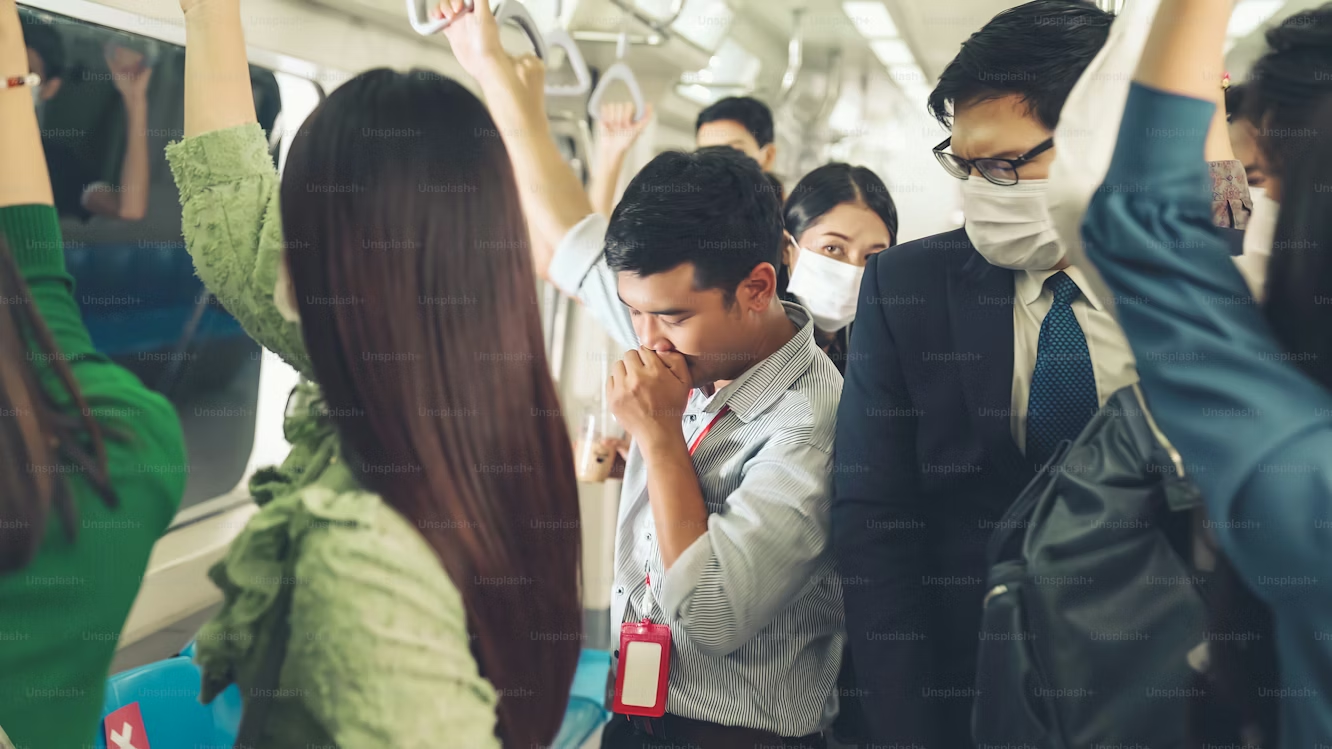
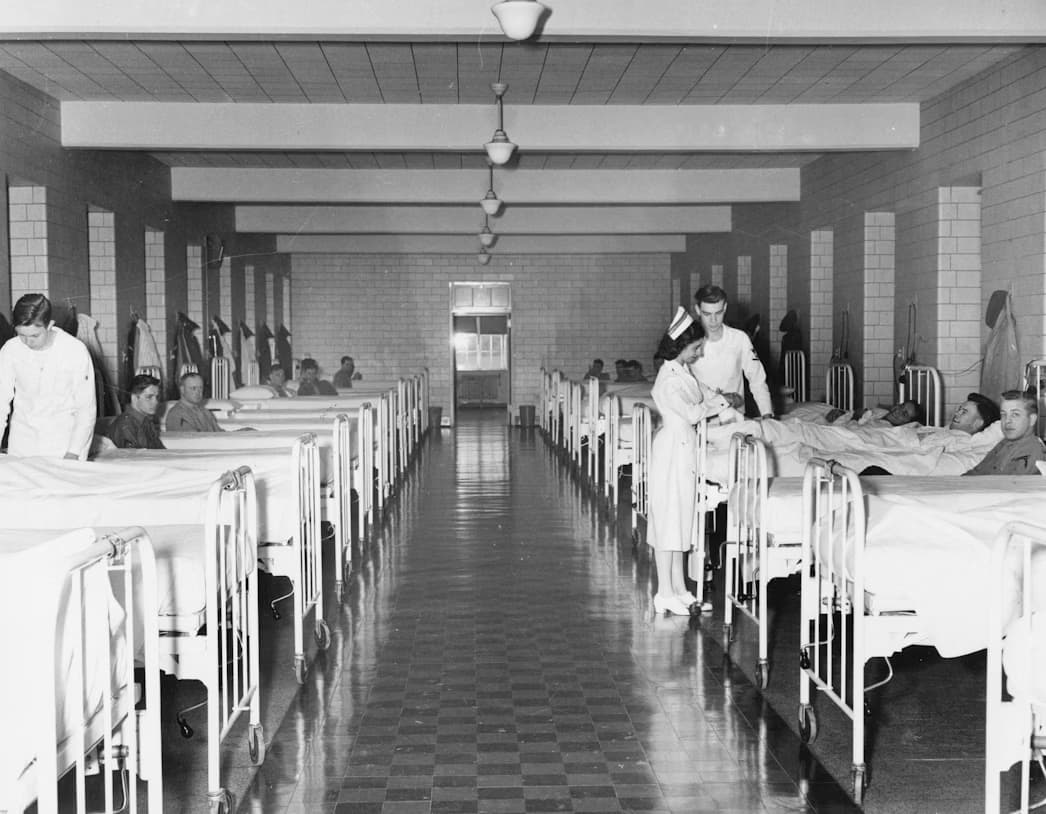
2. The second type of Pneumonia is called Nosocomial Pneumonia. This usually occurs about 48 hours ≥ admission to hospital. So, this means, it is a pneumonia that you acquired in the hospital. At least 6 types of bacteria are responsible for this type of pneumonia.
3. Aspiration Pneumonia. Those with strokes,passed out due to drunkenness, unconsciousness or recovery after a seizure; oesophageal reflux, myasthenia diseases which causes weakness of nerves and rapid fatigue of muscles, motor neuron disease that causes weakness of cranial nerves (bulbar palsy), even poor dental hygiene - can cause aspiration pneumonia.
4. Immunocompromised Patients. Here Streptococcus Pneumoniae and Haemophylus Influenza, together with Staphylococcus Aureus, which are the most common bacteria in most of the pneumonias are most common here too.
Clinical Features to look out for
Symptoms
· Fever
· Rigor (shaking and shivering)
· Malaise (general feeling of discomfort or unease)
· Anorexia
· Dyspnoea (Uncomfortable, fast or slow breathing)
· Cough
· Purulent sputum (pus-like looking sputum)
· Haemoptysis (blood in the sputum)
· Pleuritic Chest Pain (sharp, stabbing chest pain)
Signs
· Fever
· Cyanosis (bluish, greyish discoloration of the lips or tongue)
· Confusion
· Tachypnoea (heavy fast breathing)
· Tachycardia (very fast beating of the heart ≥ 99/100 beats per minute)
· Hypotension (BP ≤120/80)
· Signs of consolidation in the lung (This is when the doctor listens to your lungs, these are the signs present) - your doctor may explain these to you.
o Diminished expansion
o Dull percussion notes
o Increases vocal fremitus/vocal resonance
o Bronchial breathing
o Pleural rub
These are the tests your healthcare provider should do if Pneumonia is expected
1. Sputum and Pleural Fluid test - this is called Cytology
2. Chest X-ray. Healthcare practitioners should look for opacities (areas of increased densities), hilar enlargements (swollen lymph nodes), consolidations (areas of thickness) , lung collapse, pleural (lung) effusions, bony secondaries (spots). Also peripheral lesions (outside of the lung area), superficial lymph nodes (which may have to be biopsied). Learn these terms, and ask your doctors about them.
3. Blood Tests. Full Blood Count (FBC), Urea and Electrolytes (U&E), Liver Function Tests (LFT’s), C-reactive Protein (CRP), arterial blood gasses, blood cultures and atypical cytology.
4. Sputum is sent for microscopy and culture.
These features indicate SEVERITY, take note
· Tachypnoea ≥ 30/min
· Diastolic BP < 60mmHg
· Age ≥ 60 years
· Underlying disease
· Confusion
· Atrial Fibrillation
· Multilobar involvement
· Urea ≥ 7mmol/L
· Albumin < 35 g/L
· Hypoxia (low Oxygen) PaO2 ≤ 8kPa
· White Blood Count ≤ 4000 x 109/L
· Bacteraemia
This is how a person with Pneumonia should be treated
· Oxygen should be maintained PaO2 ≥ 8Pa
· Antibiotics should definitely cover Streptococcus Pneumoniae (example Amoxicillin 250-500mg/8h orally and atypicals such as Erythromycin 500mg/12 orally)
· Intravenous Fluids may be needed if the patient presents with anorexia, dehydration, shock; Analgesia - 1g/6hrs
The following conditions could result in Complications
· Pleural effusion
· Emphysema
· Lung abscesses
· Respiratory Failure
· Septicaemia
· Pericarditis (infection/inflammation of the heart covering)
· Myocarditis (infection/inflammation of the heart muscle)
· Cholestatic Jaundice (reduced bile flow causing jaundice - a yellow tinge over the skin and sclera of the eyes)
Here is what you can do to help prevent Pneumococcal Infection
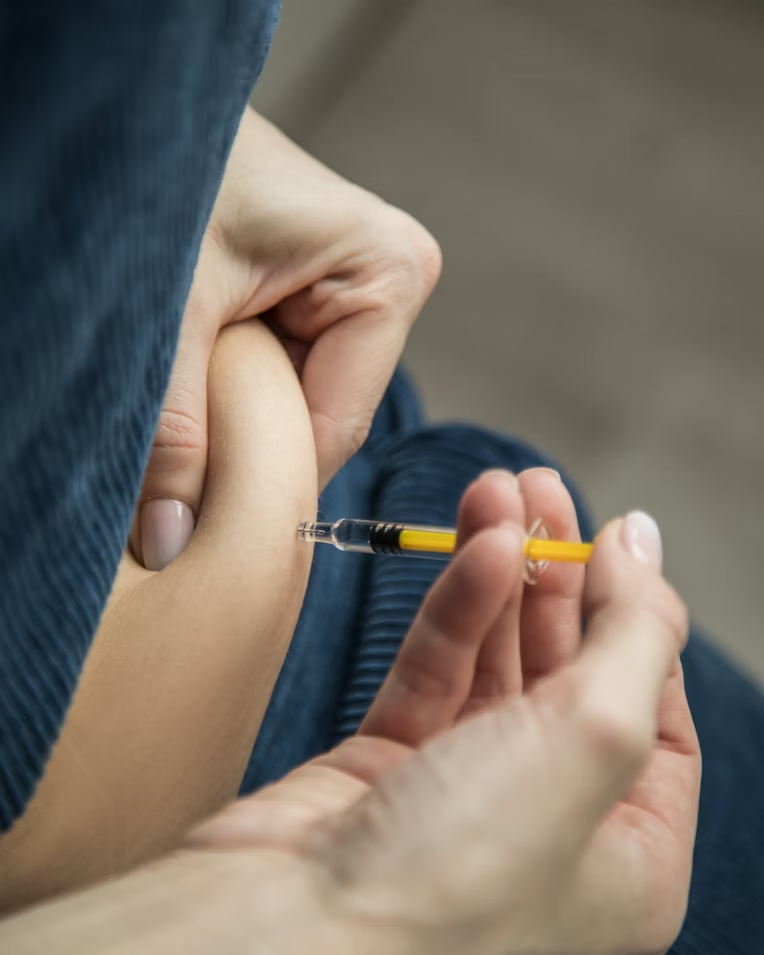
· Where possible, procure pneumococcal vaccine ( 23 valent Pneumovax II, 0,5mL sc) if you have:
o Chronic Heart or Lung Conditions
o Cirrhosis (late stage, permanent scarring of the liver due to chronic hepatitis or alcohol abuse)
o Nephrosis (damaged kidney diseases causing excessive excretion of protein)
o Diabetes Mellitus
o Immunosuppressive Diseases such as: HIV/AIDS, Splenectomy, On Chemotherapy
· Contraindications of the vaccine is: Pregnancy, lactation, fever
· If high risk of fatal pneumococcal infection (asplenia, sickle-cell disease, nephrosis, post-transplant), revaccination after 6 years (3-5yrs in children .2 years old), unless they had a severe vaccine reaction.
For Healthcare Providers click here if you need to refresh on empirical treatment of pneumonia.
References
1. Longmore M, Wilkinson I, Török E. Oxford Handbook of Clinical Medicine. (2001). 5th Edition, Printed by Oxford University Press Inc.
Need guidance on this topic?
Book a virtual consultation and get personalised advice from a medical professional.
Book a Consultation