
Cardiovascular Health: Stay informed
This Article is a blog post providing specifically focused information on how to keep your Cardiovascular Health in peak shape, no matter how old you are. Keeping your Cardiovascular system healthy has many benefits, which will be discussed in the article. It will most definitely eliminate costly complications and improve quality of life. We hope you enjoy the article and learn something useful from it.
You want to keep your heart healthy, at any age, and here is why:
1. Ischemic Heart Disease
Ischemic Heart Disease is the most common cause of death world-wide. Encouraging cardiovascular health has many other benefits than just for the heart, for e.g.
· managing and regulating blood pressure
· keeping good cholesterol (HDL) high,
· prevent osteoporosis
· improve glucose tolerance
· augment the immune system, and even
· spur on atheroma regression
2. Living an Active Life
Did you know the medical research has shown that people who live an active life, and remain slim, can live up to 40% longer than those who don’t. The risk of developing Type II Diabetes is also decreased if obesity is avoided. How do you remain slim? Check it out here. Want to know more about Diabetes, both Type I and Type II, click onto this blog site.


3. Alcohol and Smoking
A good few years ago (maybe 15-20 years), it was believed that moderate alcohol consumption may promote good cardiovascular health (remember medical information does not remain static - when more research is done, information and recommendation changes). Previous researchers believed that moderate alcohol also kills Helicobacter Pylori (find out what this is here) in the gut, which has been shown to be associated with cardiovascular disease. The mortality curve for alcohol is what is called as “J-Shaped”. At zero units of alcohol per day the risk of mortality is slightly higher than at one unit per day, and then the risk increases exponentially thereafter. This is still believed to be so. But unfortunately, alcohol is one of those items that few people can stick to just one unit a day, and the over abundant use of alcohol, has been the cause of great social and generational destruction as well as the cause of several accidents, injuries, violence, sexual abuse and individual decay. South Africa is one of the highest consumers of alcohol per population and the sad outcome of the dop-system (learn about it here) has set the Coloured population of especially the Western Cape in a positively sad social situation. The current South African policy on Non-Communicable Diseases recommends no alcohol per day compared to the previous one that recommended one unit per day. The South African Police Force also changed their policy to alcohol units for drivers to 0.00% blood alcohol concentration as opposed to 0.05% blood alcohol concentration previously. The policy is now known as “No Drink Driving” as opposed to “No Drunk Driving”.


4. Yes, Smoking Again
Smoking is the chief risk of cardiovascular death. Stopping smoking can has reverse the risk of dying significantly. Actually, a large number of smokers indicate that they would like to stop smoking. The key really, is to never start, and to never try stopping. Giving up smoking completely is indeed possible. South Africa has one of the most brilliant smoking policies in place. Did you know that together with alcohol, South Africans pay what is called ‘sin tax’ (check it out here). The smoking policy is made up of the following factors:
· No cigarettes can be sold to children under the age of 18 years old
· All cigarette packets must contain warning signs that smoking kills
· No cigarettes are to be displayed in shops where it is easily visible
· Advertising agencies are not allowed to advertise cigarettes
· Soon all cigarette packets will have to be white and thus undistinguishable
· Smoking is not allowed in public places, not even at the door of establishments, and all indoor places must have a demarcated smoking area, closed off from the rest of the public.
· No sports clothing or outfits are allowed to advertise any type of smoking brand
Several other countries have copied South African smoking laws and between 2011 and 2017, the smoking rate decreased from 24% of the population to 17% of the population.
Unfortunately, it has created a horrible black market for poor quality cigarettes, but the South African Police is well aware of it and on the look-out for it.

The issue of e-cigarettes unfortunately has not yet been tackled, simply because there is not enough literature on the ill-effects of e-cigarettes. Normal cigarettes has been studied since the 1960’s - a very long longitudinal study, outlying the causes of cancers and diseases cigarettes cause. A mechanism of calculating the exposure of cigarettes to a patient is what’s called a ‘pack-year’ exposure. This gives you an indication of how serious the impact of cigarettes can be for the patient. So, if a patient has smoked 40 cigarettes for 10 years, that person has a 10-year pack exposure. What we do know about e-cigarettes, is the exposure rate, and thus cannot work out the risk of disease. What we do know about e-cigarettes, is that they do have the ability to assist in giving up cigarettes.
If you have poor cardiovascular heath, you may be at risk of having a heart attack.
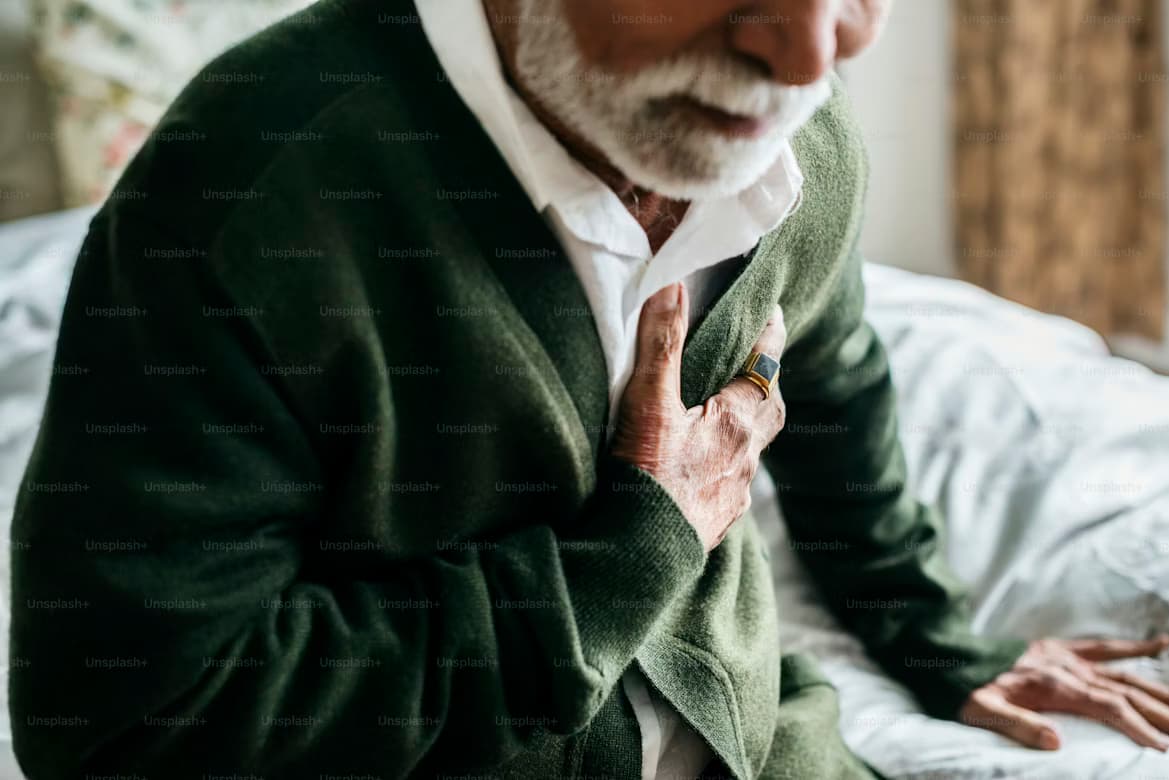
Here is how to recognize if you’re having a heart attack:
a. Chest Pain: a sudden on set of severe pain in the chest area. This pain feels:
i. Crushing pain in nature, it may even come in spasms or be associated with anxiety
ii. Radiating pain - the pain travels down the left shoulder or arm, neck, or jaw
iii. The pain may have been precipitated by exercise, palpitations or emotions
iv. Pain is relieved within minutes of nitroglycerine treatment and rest.
v. The pain is associated with dyspnea, nausea, vomiting or sweating
b. Dyspnea: this is the appearance of shortness of breath. The patient would not be able to walk at a regular pace without feeling out of breath.
c. Syncope: fainting is a common phenomenon during a cardiac arrest. The medical term is a vasovagal response, which is fainting. The patient’s pulse rates decrease and their pupils may become dilated
d. Palpitations: these are known as ectopic beats, fluttering of atrial chambers, supraventricular and ventricular tachycardias. They appear and feel like the heart is beating so fast it is about to burst out of the chest.
What to do if you suspect you or someone around you is having a Heart Attack:
e. Call an Ambulance immediately or admit person to hospital immediately if close to one. In South Africa the number to dial for an ambulance is 10177.

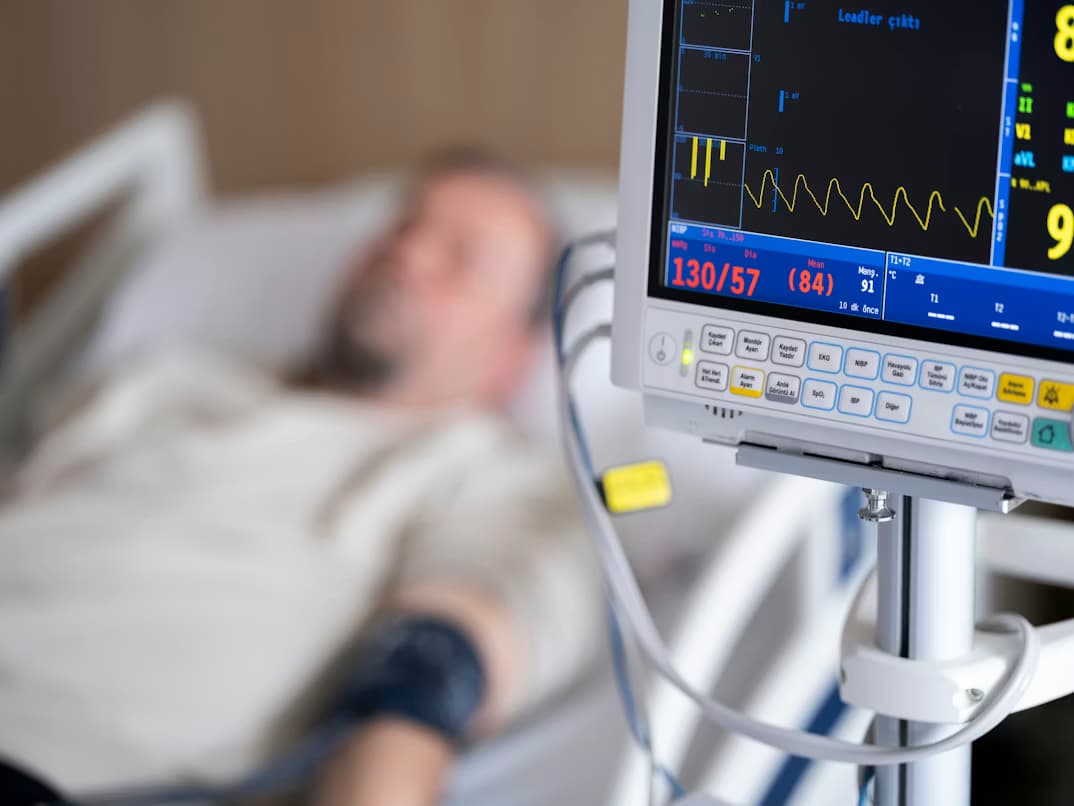
f. Health care professionals should provide Oxygen, measure the Blood Pressure, Administer Aspirin, do and ECG, and administer sublingual Nitroglycerine, provide pain relief immediately, order a Chest X-ray and test Arterial Blood Gas.
References
1. Longmore M, Wilkinson I, Török E. Oxford Handbook of Clinical Medicine. (2001). 5th Edition, Printed by Oxford University Press Inc.
Need guidance on this topic?
Book a virtual consultation and get personalised advice from a medical professional.
Book a Consultation